Moisture source identification
Remediation only holds if the moisture problem is addressed. We check likely contributors like plumbing leaks, roof penetrations, condensation on ductwork, and poor ventilation patterns.
Serving Columbus & surrounding areas
24/7 Emergency Response
Stop the spread, protect indoor air, and get a clear plan for removal and prevention based on what is actually growing and why.
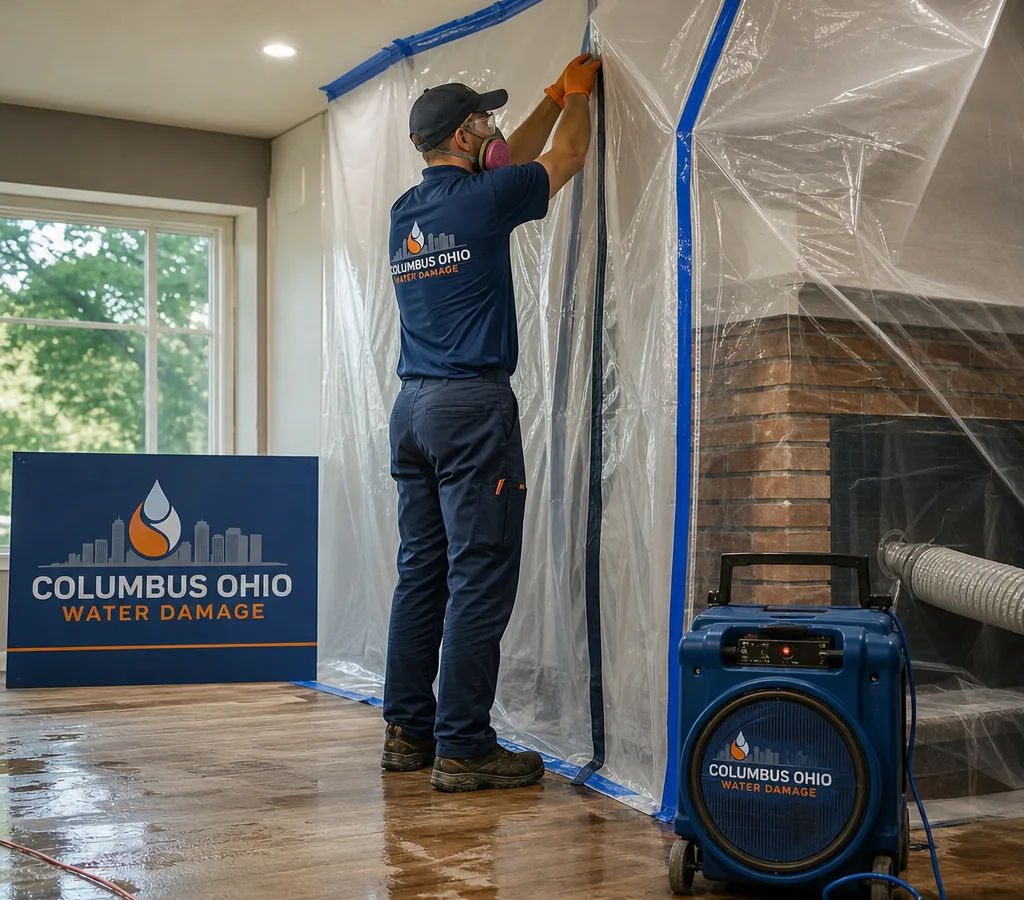
If you are searching for mold remediation Columbus homeowners can rely on, the first thing to know is that good remediation is about more than wiping down visible spots. The goal is to remove contaminated material where needed, clean remaining surfaces correctly, and fix the moisture condition that allowed growth in the first place.
In Columbus, mold problems often show up in basements, crawl spaces, and bathrooms, and they can also follow roof leaks, plumbing leaks, or long-term humidity. Areas near the Scioto River and Olentangy River corridors can see damp basements after heavy rains, and older housing stock around neighborhoods like Clintonville and Old North can have mixed construction details and retrofits that hide slow leaks.
Columbus Ohio Water Damage works on residential and light commercial mold remediation with a practical, inspection-first approach: identify the impacted areas, control cross-contamination, remove what cannot be safely cleaned, and leave you with documentation of what was done. When mold is tied to a leak or water event, drying and moisture control should happen before or alongside the remediation plan.
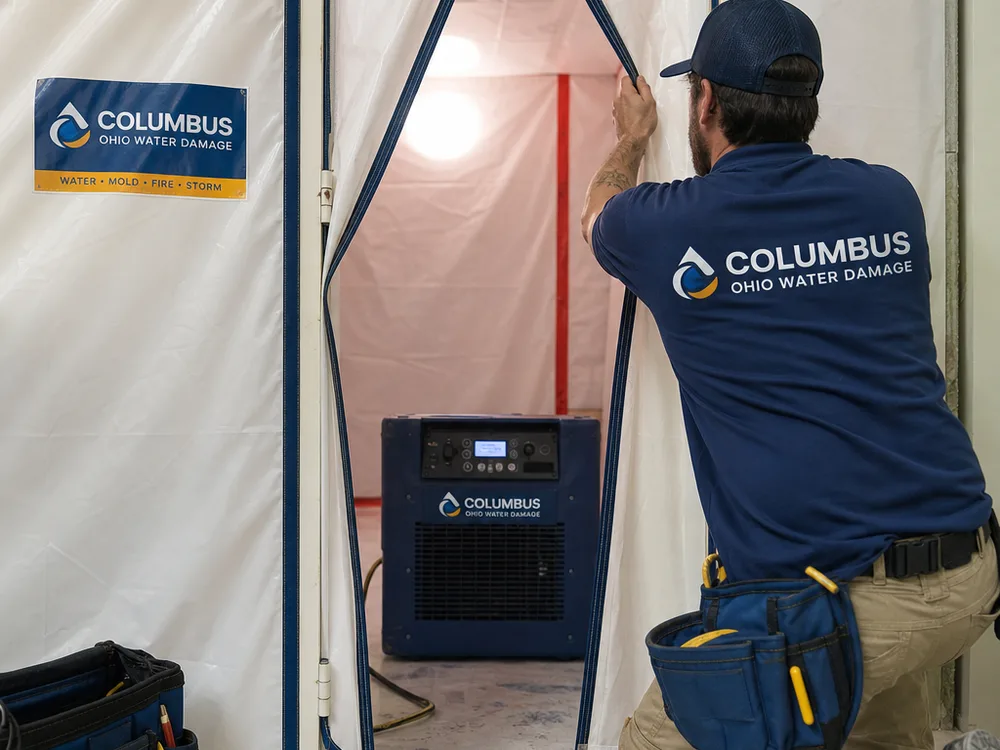
Containment and air control are what separate real mold remediation from surface cleaning. During mold remediation Columbus OH properties often need at minimum a contained work area, negative air pressure when appropriate, and HEPA filtration so disturbed spores do not move into clean rooms.
A typical setup includes:
We also look at the pathways spores travel in real homes: open returns, floor registers, attic accesses, and shared wall cavities. That is especially important in finished basements in areas like Grandview Heights and Victorian Village, where mechanicals and storage spaces often connect to living areas through gaps that are easy to miss. The plan and controls are based on the layout, materials, and how the space is used—not a one-size checklist.
Remediation only holds if the moisture problem is addressed. We check likely contributors like plumbing leaks, roof penetrations, condensation on ductwork, and poor ventilation patterns.
Drywall, insulation, carpet pad, and some ceiling tiles often need removal once contaminated. Solid framing and masonry may be cleanable with the right methods.
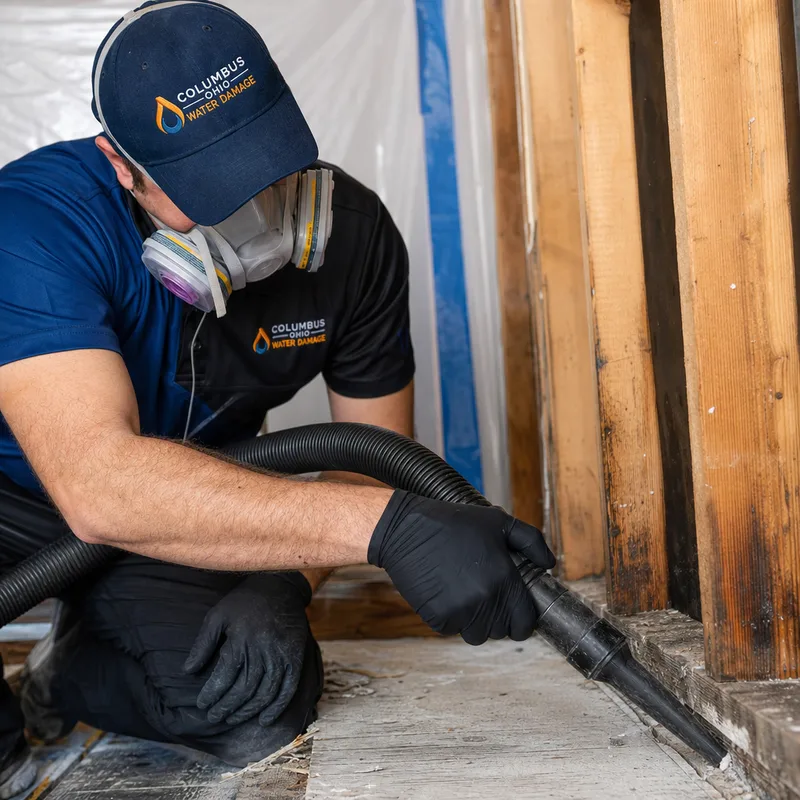
HEPA air scrubbing plus HEPA vacuuming and wipe-downs reduce remaining particulate. We focus on ledges, studs, subfloors, and other areas that hold dust.
If an independent clearance test is planned, the job is set up to support it: contained work, thorough cleaning, and drying targets met before barriers come down.
You get specific next steps for the space: ventilation improvements, humidity control, insulation around cold surfaces, and maintenance items to watch.
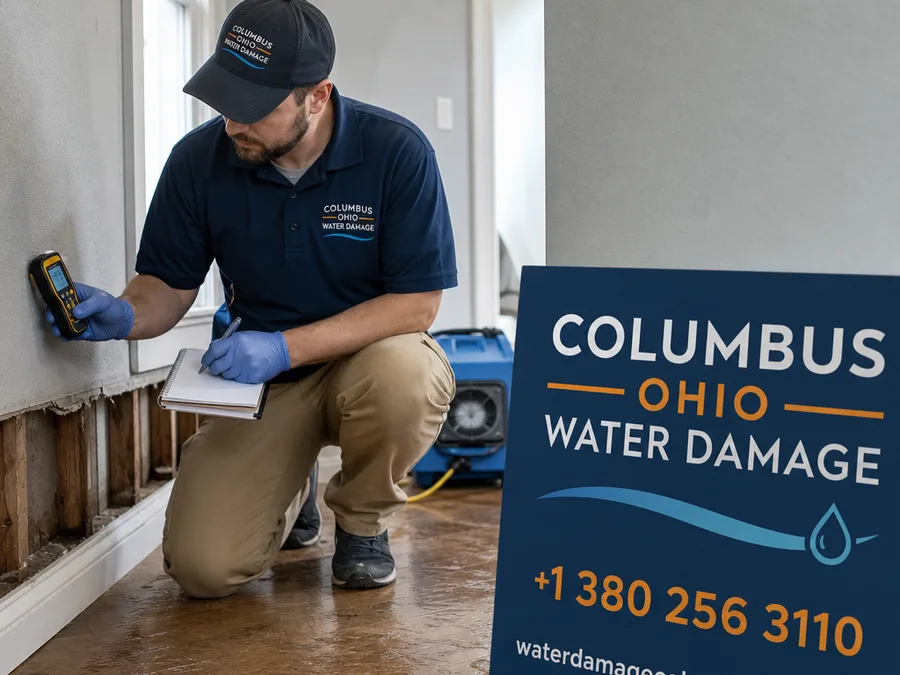
We look for visible growth, musty odor sources, water staining, and elevated moisture in building materials. You receive a clear scope of what areas are affected and what methods are planned.
We isolate the work area and protect pathways used to move materials out. Where needed, negative air and HEPA air scrubbers are set up before any demolition or scraping begins.
Contaminated porous materials are removed in a controlled way and sealed for disposal. Selective demolition is kept tight to the affected area to avoid unnecessary rebuild scope.
We HEPA vacuum, damp-wipe, and detail-clean remaining structure and contents within the scope. If staining remains on framing, remediation steps focus on removal of contamination, not cosmetic cover-up.
We confirm the area is dry and visually clean, then remove containment. If you plan third-party clearance testing, we coordinate timing so the space is ready before sampling.
Mold remediation in Columbus typically ranges from about $1,500 to $6,500 for many residential projects, with small, contained areas sometimes closer to $900 to $2,000 and larger multi-room or basement jobs commonly $6,500 to $15,000+.
Final cost depends on the size of the affected area, what materials are contaminated, the level of containment and negative air required, access conditions, and whether drying or selective demolition is needed. Exact pricing is confirmed after an on-site inspection and written scope.
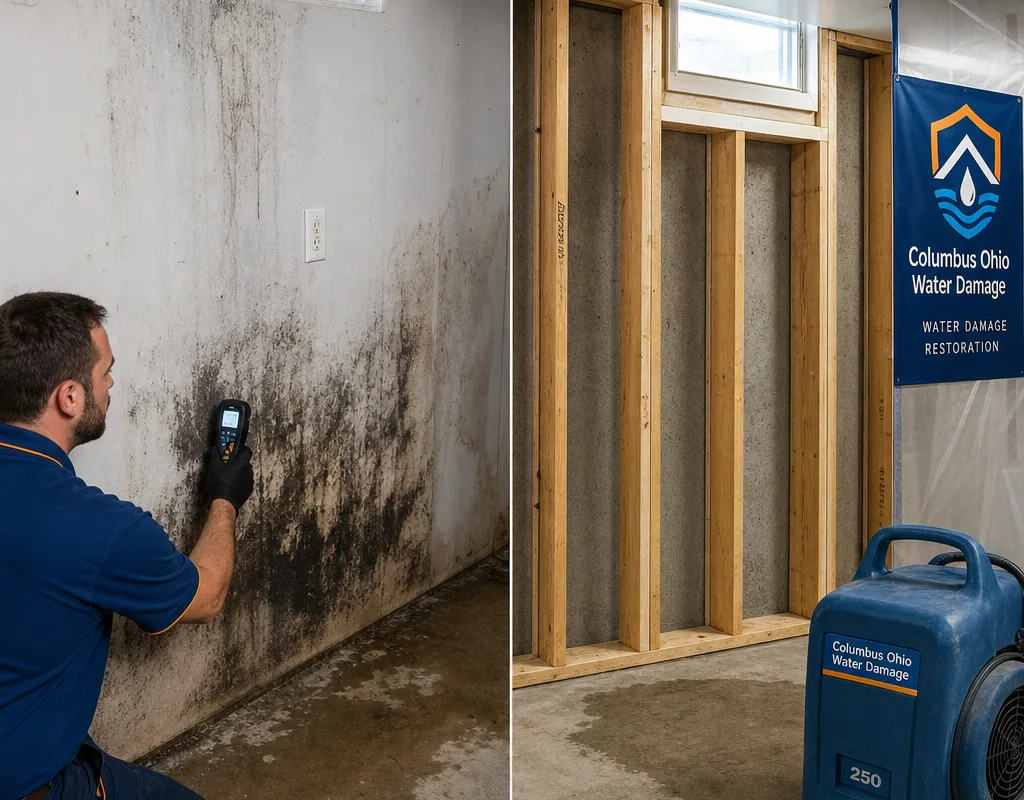
“We had a musty smell in the basement that kept coming back. They found the damp area behind finished walls, set up containment, removed what needed to go, and the air has been noticeably better since. The scope was clear and they kept the mess under control.”
“I appreciated that they explained what was actually cleanable and what wasn't. The crew showed up with proper equipment, ran air scrubbers the whole time, and walked me through how to keep humidity down going forward.”
Many mold remediation jobs take 1 to 3 days of on-site work, but larger basements, crawl spaces, or projects that require drying can take longer. Timeline depends on how much material must be removed, how complex the containment is, and whether hidden cavities are involved. After heavy rain events around Columbus, drying time rather than demolition is often what extends the schedule.
Sometimes, yes, but only when the affected material can be cleaned to a condition that is appropriate for the situation. Non-porous and semi-porous surfaces may be cleanable, while drywall and insulation often require removal once contamination is present. A proper inspection determines whether the mold is on the surface or within the material.
Often you can stay home if the work area is contained and the HVAC pathways are managed, but it depends on where the mold is and who lives in the home. If the affected area is a main bathroom, bedroom, or near central returns, temporary relocation can be the safer and more comfortable option. We explain access restrictions and what rooms will be off-limits before work starts.
Sometimes it is when mold results from a covered sudden water loss, but long-term moisture and maintenance issues are commonly excluded. Coverage depends on your policy language and the cause of the moisture. If a recent leak or water event is involved, we can document conditions and the remediation scope in a way that supports the claim process.
Mold removal is usually used to describe cleaning visible growth, while remediation includes containment, material removal when needed, detailed HEPA cleaning, and addressing the moisture cause so the conditions for regrowth are corrected. The moisture source and cross-contamination controls are central to the work, not optional add-ons.
An air purifier can help with airborne particles, but it does not remove contaminated materials or fix moisture, and bleach is often the wrong tool for many building materials. Porous materials can hold contamination below the surface, and using the wrong cleaner can spread spores or leave moisture behind. The right approach depends on the surface type, extent of contamination, and safe containment.
Keep the area closed off as much as possible and avoid disturbing the growth because activity can release spores into the air. If safe, note any recent water events, roof leaks, plumbing issues, or bathroom fan problems. Clearing a small access path to the affected area helps the team set containment quickly and keeps the rest of the home protected.
Tell us what you are seeing and where it is showing up. We will inspect the area, explain what can be cleaned versus removed, and outline the containment and moisture steps needed for a durable fix in Columbus.